
France’s Protests Started at the School Gate
When the System Stops Working, Part One
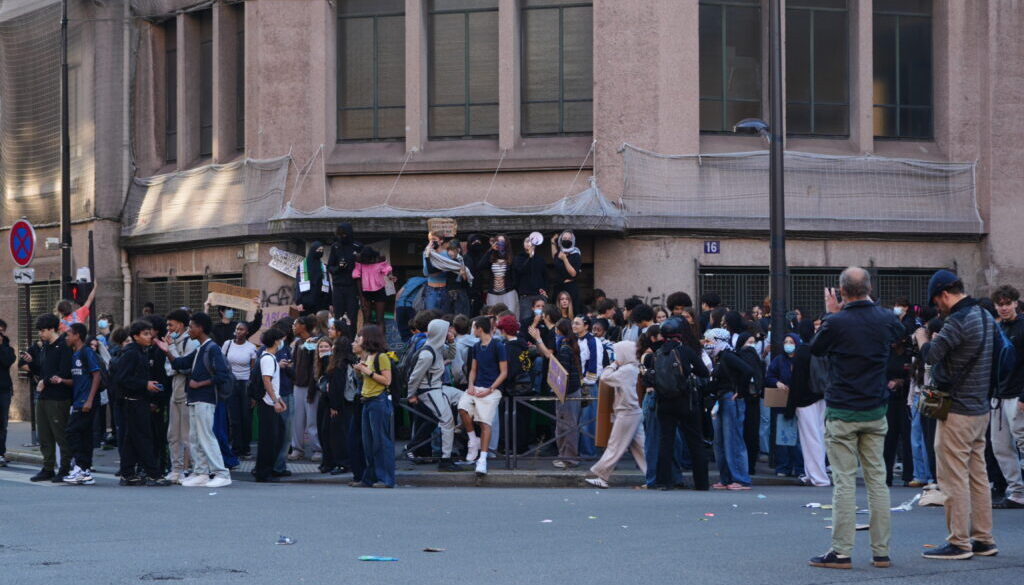
A school can have walls and a class bell and still be missing a fairly important ingredient: teachers. That’s where this wave of France’s protests began.
In mid-September, students, parents, and teachers at a high school in Créteil, outside Paris, raised the alarm about vacant teaching positions and inadequate resources. By October 1, more than 1,000 high schools had been affected by strikes or protests, according to France’s Education Ministry.
A complaint about a few missing teachers had become a national question: What happens when a government consistently fails its people, and those people stop believing the established mechanisms can fix it?
From School Gates to City Streets
The students described overcrowded classrooms, run-down buildings, missing staff, long school days, and anxiety about the university admissions system. Their complaints found an audience far outside the schoolyard. University students joined in. Then teachers, labor unions, and people associated with the Yellow Vest movement. The grievances widened to include:
- Wages.
- Pensions.
- Rising living costs.
- And public services that aren’t doing what they’re supposed to do.
These people don’t all want the same thing. Some want more teachers. Some want better pay. Others have lost faith in the political system itself.
It would be dishonest to assign every person in a French street my own politics.
France does face a serious budget squeeze, and governments have to make choices about spending. The proposed 2027 education budget even included an increase. But the people living with the consequences get to ask whether those choices are working. A national budget can record an unfilled position; but a real teenager has to sit through the class that never happens.
On October 8, Education Minister Édouard Geffray promised to mobilize about 3,000 substitute teachers for the schools most in need. Five days later, the ministry said just 35% of the target had been reached. That’s a concession won under pressure. This doesn’t answer the underlying unease about the failed support system.
On October 17, an estimated 550,000 people demonstrated across France according to authorities. Organizers put turnout at 800,000. Most were part of peaceful gatherings. Serious violence also broke out around some demonstrations.
The Smoke Isn’t the Whole Story
There were fires, looting, attacks on officers, and damaged public buildings. Limoges city hall was set ablaze.
People were hurt. Workers and residents will live with the costs long after the television cameras go home. I don’t think those consequences should be waved away.
I also don’t think the whole movement should be reduced to its most destructive moments.
The grievances didn’t appear when the first trash can caught fire. And France’s response deserves scrutiny too: force used against demonstrators, mass arrests, and restrictions on public assembly.
On October 22, a Paris court overturned a ban on a student demonstration even as authorities were restricting protests elsewhere.
Here’s where my view may be less comfortable than a tidy condemnation of violence. I distinguish damage to property from harm to human beings. I’m generally against physically harming people who haven’t harmed others. I also don’t believe violence is never morally justified, especially when people are confronting mass murder or atrocities against civilians. Responsibility for those atrocities can extend from the people carrying them out to military commanders and political leaders who knowingly sustain the campaigns.
But those accusations demand evidence, and a politician’s vote is not, by itself, a legal finding of a war crime. Accountability cannot mean an open invitation to attack someone we’ve decided is guilty. There are moral questions here that deserve more thought than a chant or a clever sign can hold. We’ll return to them in this series.
The Change I’m Looking For
I’m tired of being told that the only acceptable way to demand change is through the very mechanisms controlled by the institutions we’re trying to change.
Vote harder. Spend differently. Write your representative. Wait another four years.
How’s that working out?
I no longer believe voting at the ballot box, or voting with our dollars, can deliver the monumental changes I think we need.
Changing officeholders can matter, but I don’t trust that alone to dislodge the wealth and power that shape the choices we’re permitted to make. That’s my conclusion.
Readers are free to challenge it.
I know entrenched power doesn’t always give way because we ask nicely, either. History hasn’t always been peaceful when people demanded fundamental change. That doesn’t make every act of violence wise, just, or effective. It does mean I’m not willing to treat obedience as the measure of whether a demand is legitimate.
What holds my attention in France is the organizing. Students compared what was happening in their schools. Parents and teachers showed up. Workers recognized their own frustrations, and different groups found enough common ground to act together. They made their demands impossible to ignore, even if the answers have been painfully incomplete.
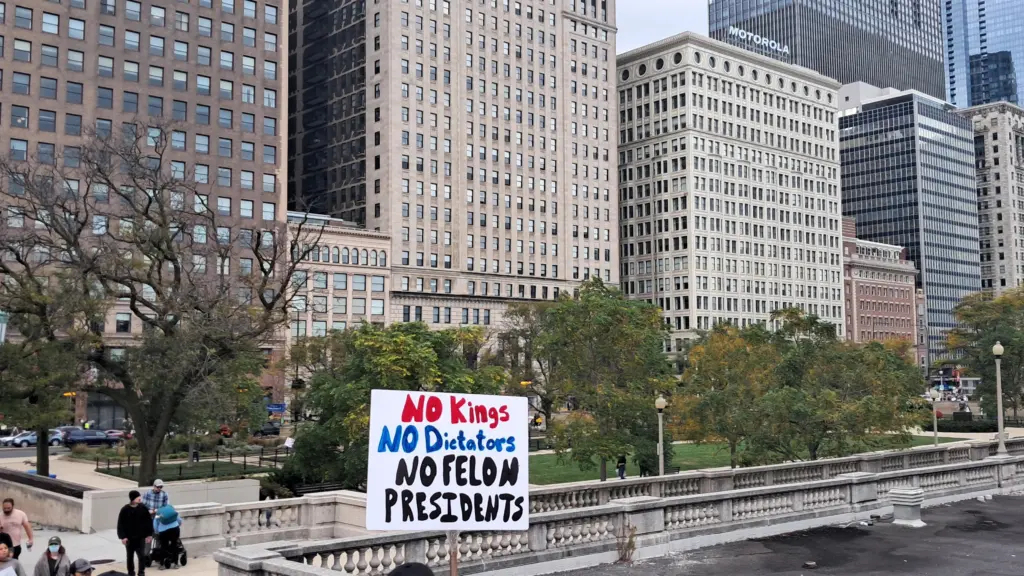
We’ve seen Americans gather in huge numbers for No Kings. I’d like to see much more sustained collective action here:
- Organizing alongside workers
- Supporting people who strike
- Helping neighbors get through disruptions
- Keeping records of institutional failures
- Showing up in public when officials would rather we stayed home
Not another afternoon of outrage followed by four years of waiting.
I’ve written about borrowed tools and what neighbors can accomplish together. That matters. But a toolbox can’t fill a thousand teaching vacancies. Mutual aid helps people survive institutional failure; it mustn’t become an excuse to let public institutions abandon their responsibilities.
And Then What?
A crowded street can force attention. It can’t, by itself, tell us how to build a school system that works, who makes its decisions, or how to keep the next set of leaders from treating it as their private property.
That’s the work I want to explore in this series: how collective resistance develops, why some movements succeed while others fracture, how to think seriously about force and restraint, and what kind of shared responsibility comes after the demand for change.
For now, look past the burning cars and listen to the kids who started at the school gate. Then look around your own community. What’s failing? Who’s already trying to fix it? What might happen if the rest of us stood with them?
Sources & Further Reading
- Le Monde, October 2: How the school protests spread
- Reuters, October 9: Students continue organizing after a teacher pledge
- Euronews, October 13: Teachers, schools, and the budget debate
- Reuters, October 17: Nationwide demonstrations and unrest
- Associated Press, October 22: Protest bans and a Paris court ruling
- Reuters, October 22: Macron’s proposed restrictions